
Coordinators of hope: Inside ZAA's fight against native species extinction
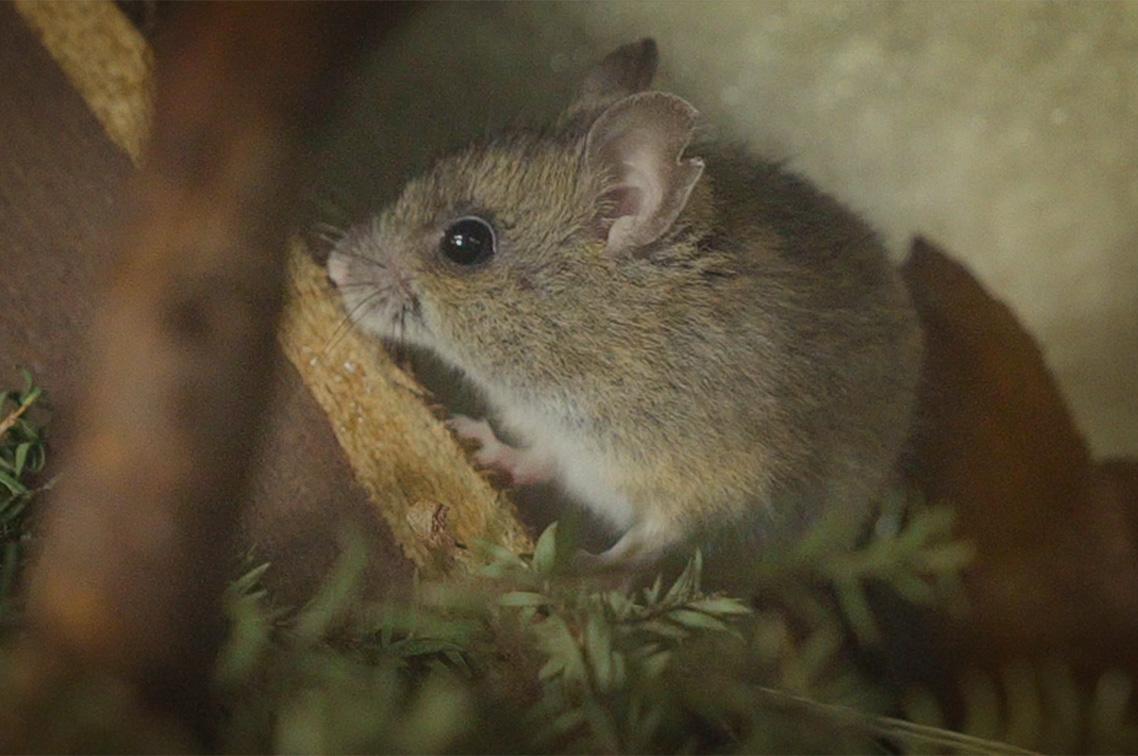
Behind the scenes, a powerful network of zoos and aquariums is fighting to save Australia’s most vulnerable wildlife and proving that dedicated coordination can change the course of extinction.
In a quiet habitat, far from Tasmania’s wild forests, a population of Tasmanian Devils is thriving under human care. Around 550 of these fierce but fragile marsupials are being carefully bred and managed through a network of welfare accredited zoos and wildlife parks – a coordinated effort that one day might be needed to save the species from disappearing altogether.
That life-saving work is guided by the Zoo and Aquarium Association Australasia (ZAA) and its Centre for Species Survival Australasia, a regional hub and partnership of ZAA and the International Union for Conservation of Nature (IUCN). “Our species survival officers manage the species program coordination with recovery teams,” says ZAA Executive Director Nicola Craddock. “Groups of conservationists, scientists, academics and ZAA member zoos and wildlife parks all work together on formalised government recovery plans. With a group of this scale, it’s so essential that we support their very important species recovery work via dedicated coordination.”
The Centre was established in 2022 to make sure that all efforts are at the ready with clear recovery strategies and action coordination, to fight against species’ extinction. Its current focus includes eight different species; bilby, brush-tailed rock-wallaby, orange-bellied parrot, Tasmanian devil to name a few. Their threat classifications range from critically endangered to vulnerable, and all are in need of targeted, dedicated coordination support. These species have been impacted by a variety of causes and events like bushfires, loss of habitat and genetic health challenges, all requiring long-term species recovery programs.
Animals like the Tasmanian Devil, whose genetic diversity is being carefully protected across many dedicated zoos and wildlife parks, where species and husbandry knowledge has been honed to support this highly valuable insurance population.
“The Tasmanian devil insurance population is viable, with its genetic diversity being managed for future sustainability. Our work ensures that if there were more catastrophic events in the wild, there is a strong and healthy population available to be released if required.”
Vital work, for our survival
Alongside the critically important threatened species recovery work, ZAA also coordinates the region’s Species Population Management, supporting around 100 breeding programs with 98 ZAA member organisations supporting sustainable species populations. These facilities are welfare accredited zoos, aquariums and wildlife parks located throughout Australia, New Zealand and Papua New Guinea. “ZAA’s role is to help coordinate these breeding programs with participating members whose knowledge and expertise supports the care and welfare of many animals; a number of them being contributing participants of important conservation and species recovery programs.”
ZAA, a not-for-profit organisation and client of Equity Trustees, also operates an animal welfare accreditation program that sets a benchmark far beyond government requirements, ensuring each ZAA member meets the highest standards of animal welfare, and can demonstrate appropriate sustainability and biosecurity management practices.
A number of the animals in the care of these accredited facilities will be threatened species, and participants of threatened species recovery programs. “It’s not always considered that threatened species are supported by conservation recovery action facilitated by zoos, aquariums and wildlife parks.” Nicola says a lot of work goes on behind the scenes. “It takes many years and considerable financial investment for research, husbandry expertise development, genetic planning, breeding and population planning for wild augmentation. We also work with landowners to facilitate appropriate and predator-free habitat conditions so that animals released into the wild can thrive.”
Australia’s biodiversity – and in turn the wellbeing of us all – depends on this vital network and our ability to conserve our native animals. “Australia has one of the highest records of species extinction in the world, a shocking truth for a nation so rich in unique wildlife and resources. We have the means and the responsibility to change this. Every species matters. We can’t lose any more species. The loss of even one can trigger far-reaching ecological consequences”
ZAA’s structure as a nonprofit organisation means that philanthropy and partnerships play a critical role. Funding ZAA’s wildlife conservation means funding the backbone of an essential conservation eco-system that helps to maintain our national biodiversity and Australia’s way of life. ZAA’s Wildlife Conservation Fund helps channel donations into the practical coordination that underpins threatened species recovery work.
Without ZAA, Australia’s zoos and aquariums would be isolated efforts instead of a unified conservation force. With it, they are a lifeline for species in peril. “Strong project management and coordination is essential to turn plans to action, and ZAA is uniquely positioned to coordinate and mobilise efforts across wildlife organisations throughout Australasia to support threatened species.
“We have such amazing wildlife in this country. With that, comes our responsibility to protect it..”