
Classrooms Become Hubs of Conservation with Cool.org’s New Project
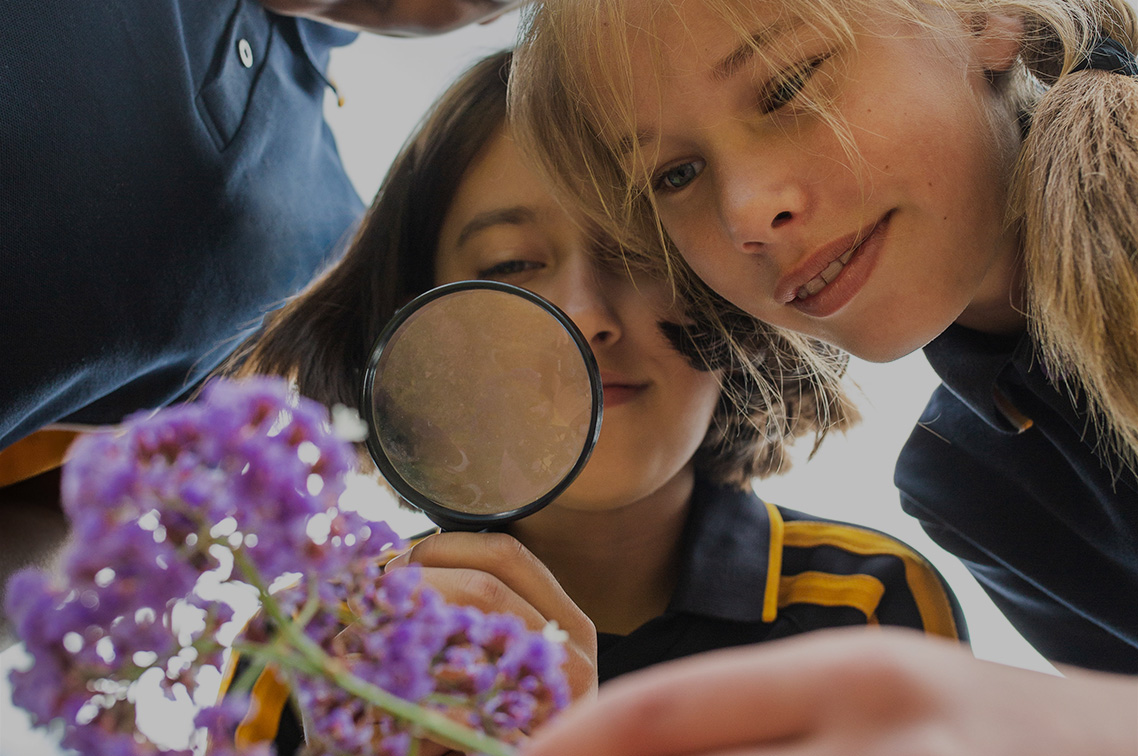
More than 168,000 students across the country will soon benefit from Cool.org’s new two-year biodiversity project that provides teachers with a free 20-lesson package and professional learning course to empower students to take conservation action.
Biodiversity in Action, which launches this November, centres on curriculum-aligned teaching resources that equip educators to integrate biodiversity lessons into varied subjects so students better understand how to take practical action for the planet.
The program has been developed by Cool.org in collaboration with The Biodiversity Council and The Conversation. Hugh D. T. Williamson Foundation, a Trust managed by Equity Trustees, is one of five grant-makers providing the project with financial backing.
“Biodiversity is a term students often encounter,” explains Tanna Hardinge, Cool.org’s First Nations Education Specialist. “Through this program, we will show students that biodiversity is not just a science term but something they can engage with across subjects, from civics to humanities. By tying biodiversity into lots of different subjects, students will learn how ever-present it really is.”
Case studies will bring learning to life, like the Carlton North Primary School project where students worked with the Wurundjeri Woi Wurrung Cultural Heritage Aboriginal Corporation to create a totemic species garden. Practical activities, from responsible pet ownership to designing biodiversity-friendly community spaces, will ensure students move from theory to action.
“Our resources will help teachers to empower students with a real sense of understanding about the issues and the action they can take to promote biodiversity.”
The philosophy of “hope and act” is at the core of Cool.org’s approach. Lessons are designed not only to inform but also to empower students to act.
“Our resources help students grow into critical thinkers, change makers and hopeful humans,” says Naomi Nicholas, Cool.org’s Social Impact and Fundraising Manager. “Hope is essential. Without it, learning about challenges like climate change can leave students anxious or disengaged. Hope, paired with action, gives students agency.”
Cool.org’s new biodiversity project is one of many inspirational educational offerings. Founded 17 years ago by Jason Kimberley, the organisation was built on the principle that education must connect with the real world. T Today Cool.org – a beneficiary of the RM Ansett Trust – creates free, curriculum-aligned resources across issues from climate change to mental health, equipping more than 220,000 teachers with the tools they need to engage students without adding to their workload.
“By supporting educators at scale, we equip millions of students to think critically, act ethically and shape a better future,” says Naomi.
While lessons are free for teachers, creating and sustaining them relies heavily on philanthropic support. Around 60% of Cool.org’s income comes from philanthropy, but much of that is tied to specific projects. More untied funding is needed to enable the organisation to flexibly and quickly respond to classroom needs.
“We know what our community of educators and students need, but without flexible support, it’s difficult to respond as quickly as we’d like. Every lesson we make is free for teachers, but not free to make.”
That’s why Cool.org is calling on funders and philanthropists to help expand its reach. With Biodiversity in Action about to launch, the organisation wants prospective partners to see the positive impact its programs are making on young Australians.
“As students grow into critical thinkers and hopeful humans, we see just how life-changing this work can be. With even more support, we can reach even more classrooms and create a generation ready to build a better future.”
“Hope is essential. Without it, learning about challenges like climate change can leave students anxious or disengaged. Hope, paired with action, gives students agency.”
Photo Credit: Photographer Rowena Meadows.