
The philanthropic model that’s changing how water policy is made
Short-term funding can deliver quick wins, but changing systems takes time. Watertrust Australia is demonstrating how philanthropy can enable better processes and more durable outcomes.
In complex policy environments, funding models can often influence how decisions are made and the outcomes that follow.
Watertrust Australia is a unique non-profit, funded by philanthropy, that was established in 2021 with this exact principle in mind.
Built on 10-year untied philanthropic investment from a coalition of more than a dozen funders, including foundations managed by Equity Trustees, Watertrust was designed from the outset to operate independently of government, industry and advocacy interests.
That independence is foundational. CEO of Watertrust Australia, Karen Hutchinson, says the organisation’s independence allows it to focus on improving how decisions are made, particularly in highly contested areas like water and catchment policy, and therefore improve decision outcomes.
“We’re not funded by government or a particular interest,” Karen says. “That enables us to go places that others can’t.”
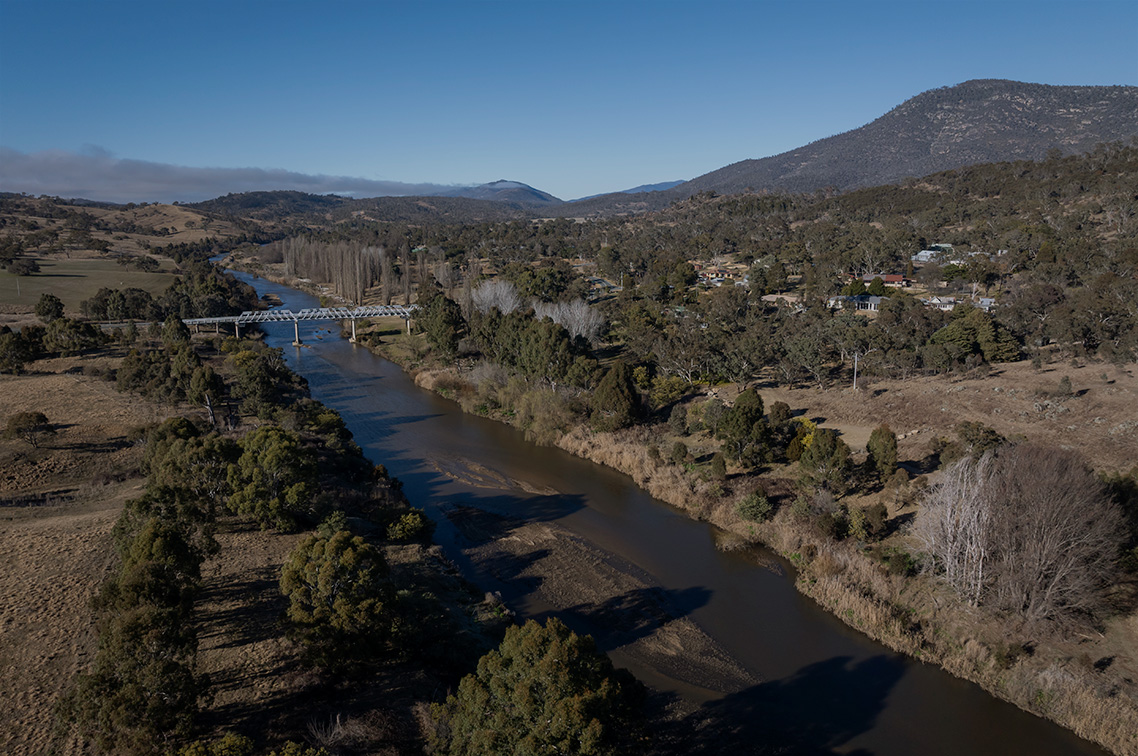
One example of this approach in practice was the case of the Upper Murrumbidgee River, which ran dry near Canberra in 2019, and where multiple jurisdictions and competing interests had no clear way forward. Watertrust worked with government throughout 2024/25 to demonstrate a structured decision-making process, convening diverse stakeholders over several weeks to explore options and trade-offs.
The outcome was not a single solution, but a shift in how the broader review would be conducted, embedding a more inclusive and deliberative approach into its design.
Evidence in action
The organisation’s impact is already being evidenced. A 2025 Mid-Term Impact Review found Watertrust’s theory of change to be sound and its early progress strong. The review highlights evidence of early shifts in how governments and agencies approach decision-making, including commitments to more deliberative, inclusive processes informed by Watertrust’s work.
Karen explains that the organisation’s evidenced success is due, in part, to its independence. As Watertrust is not advocating for a particular outcome, and is not funded by those who stand to benefit from one, it can convene stakeholders who might otherwise not engage. “Communities, First Nations groups, industry and multiple levels of government are able to come together in the same room, even in highly contested environments.”
That neutrality builds trust early and creates the conditions for more open conversations about trade-offs, impacts and what fairness looks like in practice. As Karen puts it, “things can only ever move at the speed of trust”.
“Watertrust Australia is about putting people back into the policy making process. If the people that a policy impacts don’t think it’s fair, it’s really, really hard to implement.&rdquo
Engagement does not happen quickly or without the right conditions. Karen says long-term, untied philanthropic funding makes this approach possible as it gives Watertrust the time needed to build relationships, engage with stakeholders early and support new approaches without the constraints of short-term funding cycles.
“It effectively de-risks things for government. It does the hard bit at the start, building the foundations, getting people to the table.
“Short-term funding gives you a nice little feel-good hit, but it doesn’t embed change in a policy environment,” Karen says. “If you want to embed change, that takes a long-term investment.”
Taken together, these elements point to a broader lesson beyond water policy. Better outcomes depend on how decisions are made and who is part of that process. At its core is the work of building trust, relationships and open communication, creating the conditions for more credible and durable decisions.
“This is not just about water. It’s about good policy process and systems change.”
“If you want to embed change, that takes a long-term investment and a focus on building impact over time.”
Photo Credit: Photo by Conor Ashleigh.